
Bring Out Natural Wood Grain Indoors
Bradz Quality Painting offers interior staining services in Royal, Arkansas for cabinets, trim, doors, and built-in woodwork.
Wood inside your Royal home changes over time as sunlight fades the finish, moisture raises the grain, and everyday use wears down protective layers. Cabinets that once looked warm and rich now appear dull or uneven, and trim that used to add definition to a room blends into the background. Staining refreshes the wood without covering the natural grain, letting the material show through while adding depth and protection.
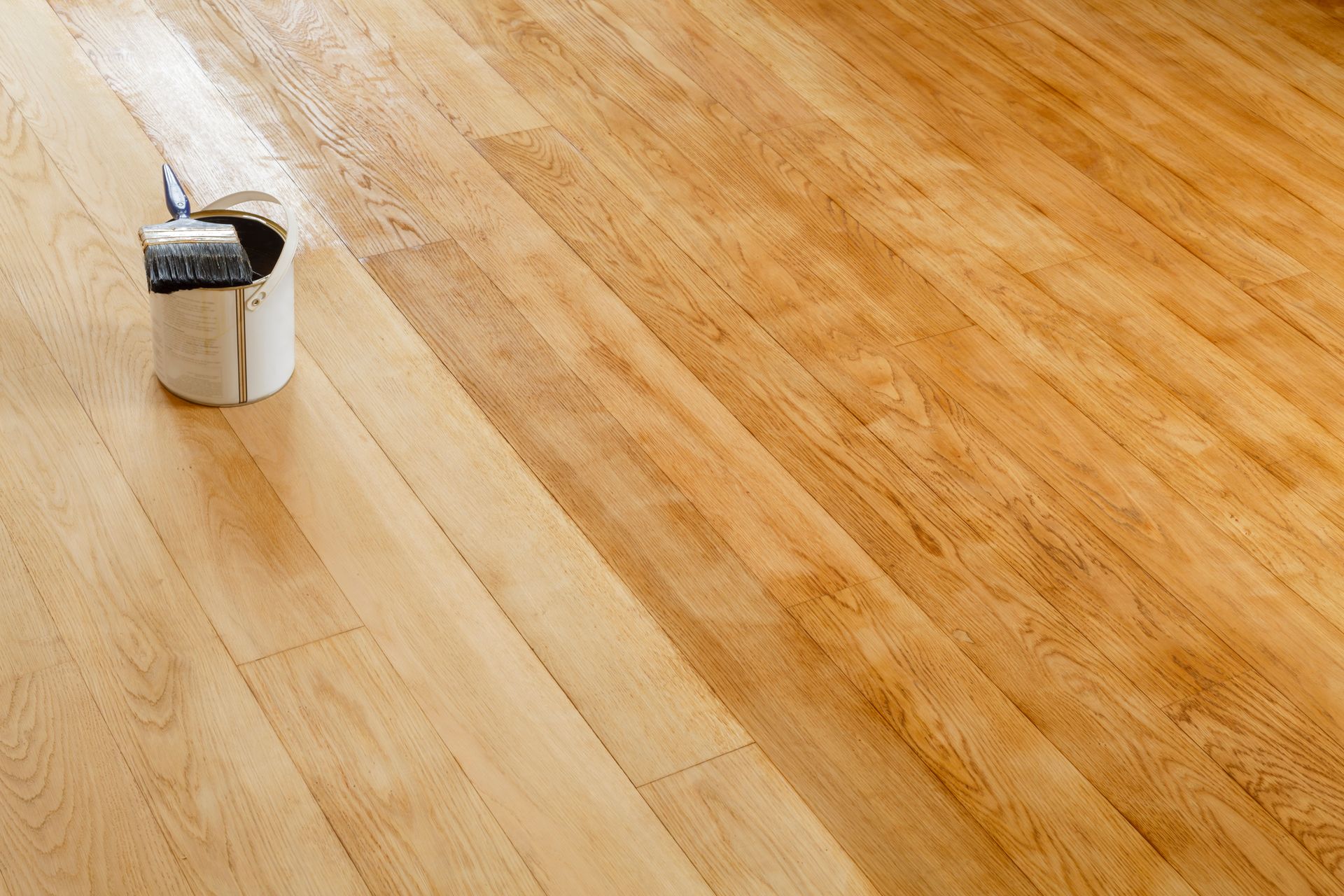
Bradz Quality Painting provides interior staining throughout Royal for cabinetry, doors, baseboards, railings, and other wood surfaces that need refinishing or color adjustment. The process includes surface preparation, stain application in thin even coats, and a topcoat that seals the wood and resists daily wear. You choose the stain color and finish level, from matte to semi-gloss, based on the look you want and the room where the wood is installed.
If you are ready to refresh wood surfaces in your Royal home, reach out to discuss color options and scheduling.
Homeowners Often Want to Know More First
Before scheduling interior staining in Royal, homeowners typically ask about color selection, drying time, and whether existing finishes need to be removed, so these questions cover the details that matter most.
What types of wood take stain well indoors?
Hardwoods such as oak, maple, cherry, and walnut absorb stain evenly and show clear grain patterns. Softer woods like pine may require a pre-stain conditioner to prevent blotching and uneven color.
How do you choose the right stain color for cabinets?
You compare stain samples on a small hidden section of the wood to see how the color looks under your home's lighting. The final color depends on the wood species, number of coats, and how long the stain sits before wiping.
When does old finish need to be stripped before staining?
Old finish must be stripped when it is peeling, heavily worn, or incompatible with the new stain. If the existing finish is sound and lightly worn, scuff sanding may be enough to allow the new stain to bond properly.
How long does interior staining take to dry?
Stain typically dries to the touch within four to six hours, but the topcoat requires a full 24 hours before the surface can be used. Full curing, when the finish reaches maximum hardness, takes about a week depending on humidity levels in your Royal home.
What tools are used to apply stain evenly on trim and doors?
Foam brushes, natural bristle brushes, and lint-free cotton cloths are used depending on the surface and desired control. Stain is applied along the grain and wiped with clean cloths to remove excess before it dries.
Bradz Quality Painting completes interior staining projects in Royal with careful surface preparation and finish application that brings out the natural character of wood while adding lasting protection. If your cabinets, trim, or doors need refinishing, contact us to discuss stain options and timing.
How Wood Is Prepared and Stained Indoors
Preparation starts with cleaning the wood to remove grease, dust, and old wax, followed by light sanding to open the grain and ensure even stain absorption. In Royal homes with older cabinetry or trim, any existing finish is either stripped completely or scuff-sanded depending on its condition and compatibility with the new stain. Hardware is removed from doors and cabinets, and surrounding walls and floors are protected with drop cloths and painter's tape.
After staining, the wood will show a richer color with visible grain patterns, and the surface will feel smooth and sealed rather than dry or rough. The topcoat adds a protective layer that resists moisture, scratches, and fading from sunlight coming through windows.
Stain is applied with brushes, foam pads, or lint-free cloths depending on the surface type and grain direction, and excess is wiped away before it dries. Multiple coats may be used to build color depth, with light sanding between layers. This service does not include structural wood repair, replacement of damaged boards, or full cabinet refacing.